Fault finding in Stockholm
Misbehaving electrics almost always have a cause. In Stockholm we measure and diagnose your installation systematically until we find exactly where the problem is.
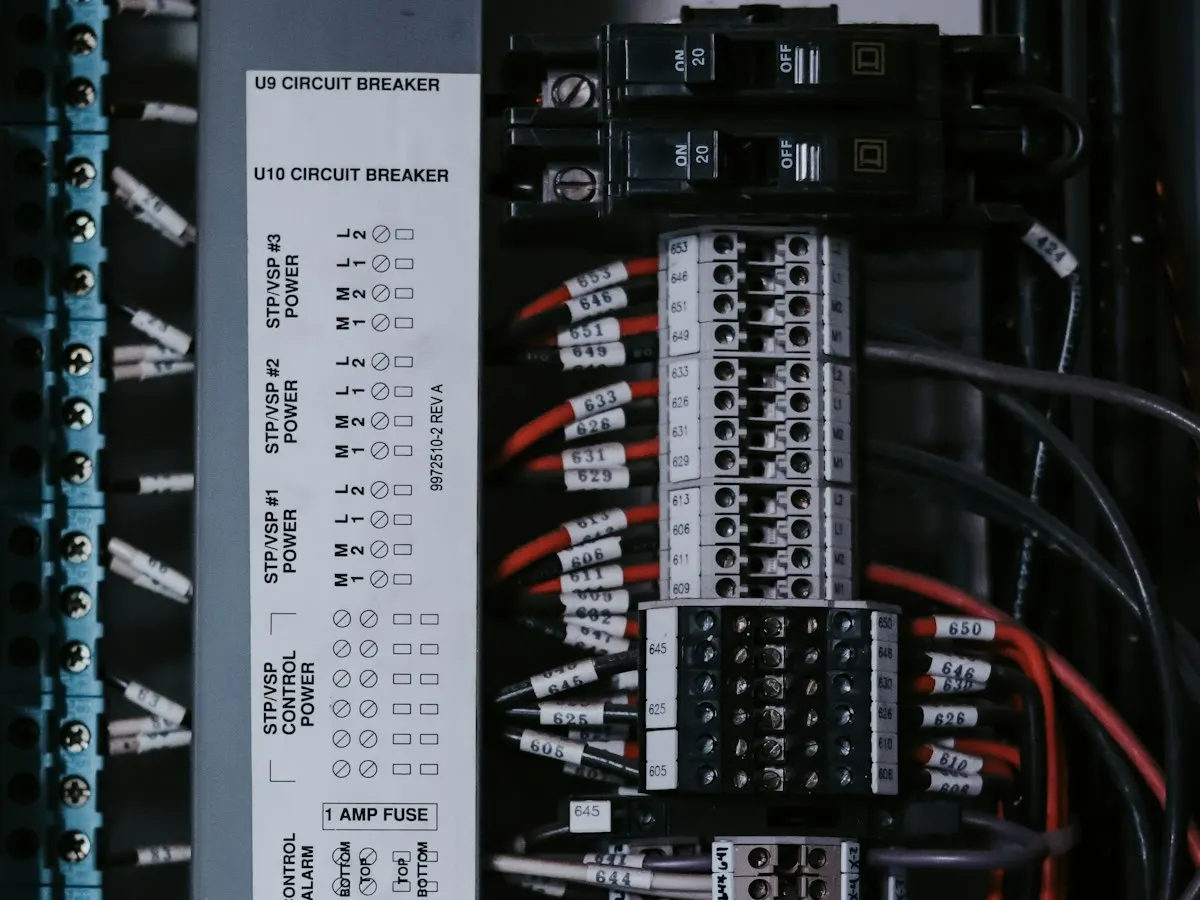
Our method
We measure load and insulation resistance circuit by circuit in your home in Stockholm. That lets us pinpoint the fault and tell you what needs fixing – often on the first visit.
Typical signs of hidden faults
- Fuses that trip with no clear cause
- Lighting that flickers or pulses
- Appliances that give off shocks
- Sockets that stop working intermittently
Common symptoms and causes
Some electrical faults are obvious. Others come and go – and those are the ones we are most often asked to find. The RCD that trips in the middle of the night with no visible pattern. The lamp that only flickers sometimes. The socket that works in the morning but not in the evening. Behind almost every recurring fault, though, there is a pattern – and the pattern points to the cause.
If the RCD trips when it rains, moisture in an outdoor installation is the most common explanation. If it trips when a particular machine is working, a developing earth fault in that machine is the likely cause. Flickering lights and sockets that seem to have a life of their own usually come down to a loose connection in a terminal or junction box – a fault that also generates heat. Fuses that blow under heavy load may simply mean overload, but can also indicate cable damage that only shows itself as the current rises.
One symptom deserves special mention: if you feel tingling or small shocks from a tap, a handle or an appliance, the installation should be checked without delay. Stop using the equipment and call straight away.
How a fault-finding job works
Fault-finding is a process of elimination – systematic and measurable, never guesswork. We work in five steps.
- Preparation by phone. You describe when the fault occurs: time of day, weather, which appliances are running. The history decides where we start looking.
- Narrowing down at the consumer unit. The installation is divided circuit by circuit, and by disconnecting one circuit at a time we close in on where the fault sits.
- Measurement. Insulation-resistance testing shows the condition of the wiring to earth and between conductors, load measurement shows how the circuits are actually used, and the RCD's function is tested.
- Locating and fixing. Once the fault is pinned down – a damaged cable run, a damp junction box, a failing appliance – it is repaired, or safely disconnected pending repair.
- Documentation. You are told what was measured, which readings stood out and what we recommend – useful groundwork even if more work is needed later.
What you can do yourself – and where the limit is
The most useful thing you can do is observe. Note down when the fault occurs, what the weather was like and which appliances were running. A simple fault diary like that can shorten the fault-finding considerably. You can also unplug appliances one at a time and try resetting the RCD between each – if the fault disappears with one particular appliance unplugged, you have probably found the culprit without opening a single box.
That is also where the limit runs. Opening junction boxes, taking measurements in the fixed installation or loosening conductors in the consumer unit is not work for private individuals – under current Swedish regulations it may only be done by a registered electrical installation company, and the measurements require both instruments and training to be safe and meaningful. Never touch exposed conductors, and never assume that a switched-off fuse means everything is dead. Elsäkerhetsverket, the Swedish Electrical Safety Board, explains what you may do yourself.
Why El Jour 24
Good fault-finding shows in two ways: the fault is found, and afterwards you understand what caused it. Our qualified electricians work with professional measuring instruments and present the results so they make sense – which circuits were checked, which readings stood out and why the fix looks the way it does.
We are based in Jakobsberg, Järfälla, and carry out fault-finding across 30 areas in Stockholm – urgently, with 24/7 standby, when needed, or as a booked job when the fault can wait. For acute faults we are normally on site within 1 hour. The business carries liability insurance, and private individuals can use the ROT deduction: 30 per cent off the labour cost, with current terms at Skatteverket. Call 08-557 702 11 and we start with what matters most: when does the fault occur, and how does it show itself?
On-call electricians — on site within 1 hour
We're based in Jakobsberg, Järfälla, so response times across Stockholm are short. For urgent faults we're usually on site within 1 hour, around the clock, all year.
Pricing and ROT deduction
An emergency call-out is from 4 300 kr after the ROT deduction. You always get a clear price before we start; for private individuals we apply the ROT deduction directly on the invoice. Read more on our pricing page. Call 08-557 702 11 or send a request and we'll get back to you quickly.